
Nurture in Nature:
The Milestone Allotment
What We Do at the Allotment?
Our allotment is more than just a garden — it’s a living classroom where young people:

Plant and Grow Vegetables
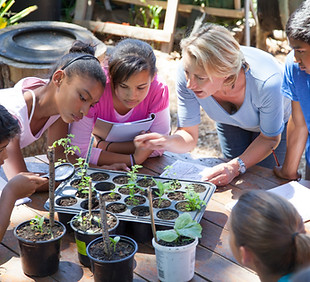
From seed to harvest, they learn how to grow seasonal produce and take pride in their own planting projects.
Discover Plant Science
Our sensory-friendly gardening sessions are aligned with the National Curriculum for science, bringing topics like plant life cycles, ecosystems, and soil health to life. Young people explore how plants grow, the role of insects and pollination, and the principles of sustainable gardening — all through practical, hands-on experiences that reinforce classroom learning in a meaningful and memorable way.

Explore Healthy Eating:
We teach the importance of nutrition, helping young people connect what they eat with how it’s grown.

Build Life Skills
Activities naturally foster teamwork, routine, patience, and responsibility.
Why It Works.
The allotment is a calm, structured space that supports:

Sensory Regulation
A soothing environment for gentle sensory experiences.

Emotional Wellbeing
Being outdoors and caring for plants reduces anxiety and builds confidence.

Social Interaction
A relaxed, inclusive setting encourages communication and friendship.

Hands-On Learning
Practical tasks reinforce school subjects like science, maths, and health.

A Calming Environment for Regulation and Focus
Nature has a natural calming effect. The sights, sounds, and smells of the allotment offer a low-stimulation, non-judgemental environment, which can be especially helpful for young people who are easily overwhelmed by noise or crowds. The predictable rhythms of gardening — watering, planting, harvesting — provide structure and routine, helping young people feel more grounded and in control.
Hands-On, Practical Learning
For learners who struggle with traditional classroom settings, the allotment offers a concrete, experiential way to learn. Concepts in science, numeracy (measuring plants, counting seeds), and health are brought to life through meaningful, real-world tasks. This practical approach supports diverse learning styles and helps information “stick.”
Sensory-Rich Experiences
The allotment is a safe sensory space where young people can explore different textures, colours, smells, and even tastes in a controlled and natural way. Handling soil, touching leaves, and smelling herbs support sensory integration — a crucial skill for many young people with sensory processing challenges.
Building Executive Function and Independence
Gardening requires planning, sequencing, and follow-through — all important executive functioning skills. As young people tend to their plants over time, they gain a sense of responsibility and pride. Even small successes (like a seed sprouting) can boost confidence and self-esteem.
Encouraging Social Development
Working side by side on shared tasks fosters natural social interaction. The allotment removes pressure from direct verbal communication and allows young people to build friendships through cooperation, shared goals, and mutual encouragement.
Supporting Emotional Expression and Mental Wellbeing
For many, the allotment becomes a space to regulate emotions and express feelings. It offers a break from overstimulating or stressful environments, which can reduce anxiety, frustration, and sensory overload. The physical activity and fresh air also support overall mental health.
